




Whooping Cough (Pertussis) — What You Need to Know
Get informed about prevention, signs and care.
Key Facts About Whooping Cough
Whooping cough, or pertussis, is a highly contagious respiratory infection caused by Bordetella pertussis. It typically begins like a common cold with sneezing, a runny nose and a mild cough, then progresses to intense, prolonged coughing fits that can end in a high-pitched 'whoop' when breathing in. Infants and young children are at highest risk of complications such as pneumonia, apnoea or hospitalisation. Early diagnosis and antibiotics help limit spread and reduce severity. Vaccination in pregnancy and childhood immunisation schedules are critical prevention strategies.
Severe coughing fits
Can be life-threatening for infants
Spread by respiratory droplets
Vaccination prevents most cases
How whooping cough is treated and managed.
Treatment and Management
Treatment for whooping cough focuses on antibiotics to reduce infectiousness and supportive care to ease symptoms. Macrolide antibiotics, such as azithromycin, are commonly prescribed; they shorten the contagious period if started early. For infants and high-risk patients, close monitoring and sometimes hospital care are necessary to manage breathing difficulties, dehydration or complications. Coughing fits can last for weeks, so symptom control, rest and fluids are important. Household contacts may be offered prophylactic antibiotics, and people with suspected pertussis should avoid contact with vulnerable individuals until advised by a clinician.

Prevention
Vaccination is the best defence for most people.
High Risk
Infants under six months face greatest risk.
Treatment
Antibiotics reduce spread if started early.
Early signs and development of the illness.
Symptoms and Progression
Symptoms often start gradually with runny nose, low-grade fever and mild cough. Within one to two weeks the cough becomes more severe, developing into fits of rapid coughing followed by a characteristic high-pitched intake of breath (‘whoop’), vomiting, or exhaustion. Adults and vaccinated people may have milder or atypical symptoms but can still transmit the infection. If you suspect pertussis, especially in infants, seek medical advice promptly so treatment and measures to protect others can begin. Early action lowers the risk of complications and spread.

Prevention through vaccination and community protection.
Vaccination and Prevention
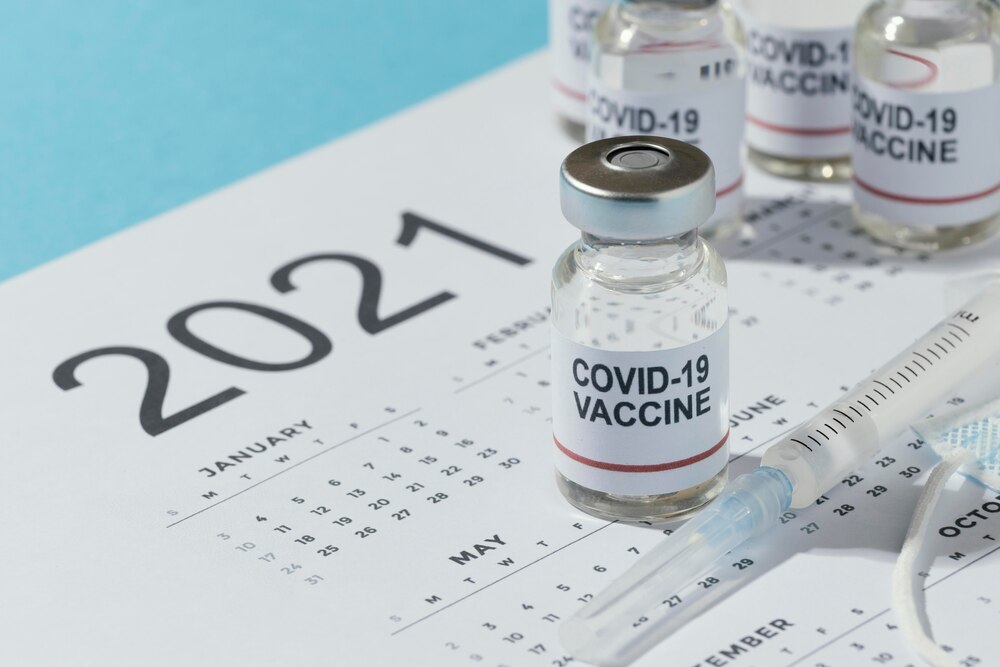
Vaccination is central to preventing whooping cough. Pregnant women are advised to receive a pertussis booster during each pregnancy to pass protective antibodies to the baby. Infants start their primary vaccine series at two months, with additional doses per the routine schedule and boosters in later childhood and adulthood where recommended. Maintaining high community vaccination levels and ensuring close contacts of newborns are immunised reduces exposure risk. Speak with your pharmacist or clinician about vaccine timing and availability.
Vaccinate pregnant women
Protect infants and family
Follow childhood schedule
Booster doses matter
When to get medical help
When to Seek Help
Seek urgent assessment if an infant has coughing spells, difficulty breathing, turning blue, poor feeding or episodes where they stop breathing. For older children and adults, consult a clinician if cough is severe, persistent, causing vomiting, or if you are pregnant or immunocompromised. Early diagnosis allows treatment to reduce contagion and protect vulnerable people. If confirmed, follow advice on isolation and inform close contacts so they can receive preventive treatment if appropriate.
Frequently Asked Questions
Answers to common questions about transmission, risk, treatment and vaccination.
How is whooping cough spread?
It spreads via respiratory droplets when an infected person coughs or sneezes. Close contact raises risk.
Who is most at risk?
Infants under 12 months, especially those too young for full vaccination, and people with weakened immune systems.
Can antibiotics cure whooping cough?
Antibiotics reduce infectiousness and may limit severity if started early, but they don't instantly stop coughing fits.
Should pregnant women be vaccinated?
Yes. A pertussis booster during pregnancy helps protect the newborn in the first weeks of life.
How long is someone infectious?
Without antibiotics, up to three weeks after coughing starts; with appropriate antibiotics, infectiousness usually drops within five days.